
Myth-Busting Lawn Care: What You Really Need to Know
Understanding Lawn Care Myths
Lawn care often comes with a plethora of myths that can mislead even the most dedicated gardeners. From watering schedules to fertilization, it's essential to discern fact from fiction. In this post, we’ll debunk some common misconceptions and provide you with the knowledge you need for a lush, healthy lawn.

Myth 1: Water Your Lawn Every Day
One pervasive myth is that lawns need to be watered daily. In reality, frequent shallow watering can lead to shallow root growth and a weaker lawn. Instead, opt for deep watering sessions, ensuring that the soil is moist several inches below the surface. This encourages roots to grow deeper, making your lawn more drought-resistant.
It’s best to water early in the morning when evaporation rates are low. This practice not only conserves water but also reduces the risk of disease.
Myth 2: Short Grass is Healthy Grass
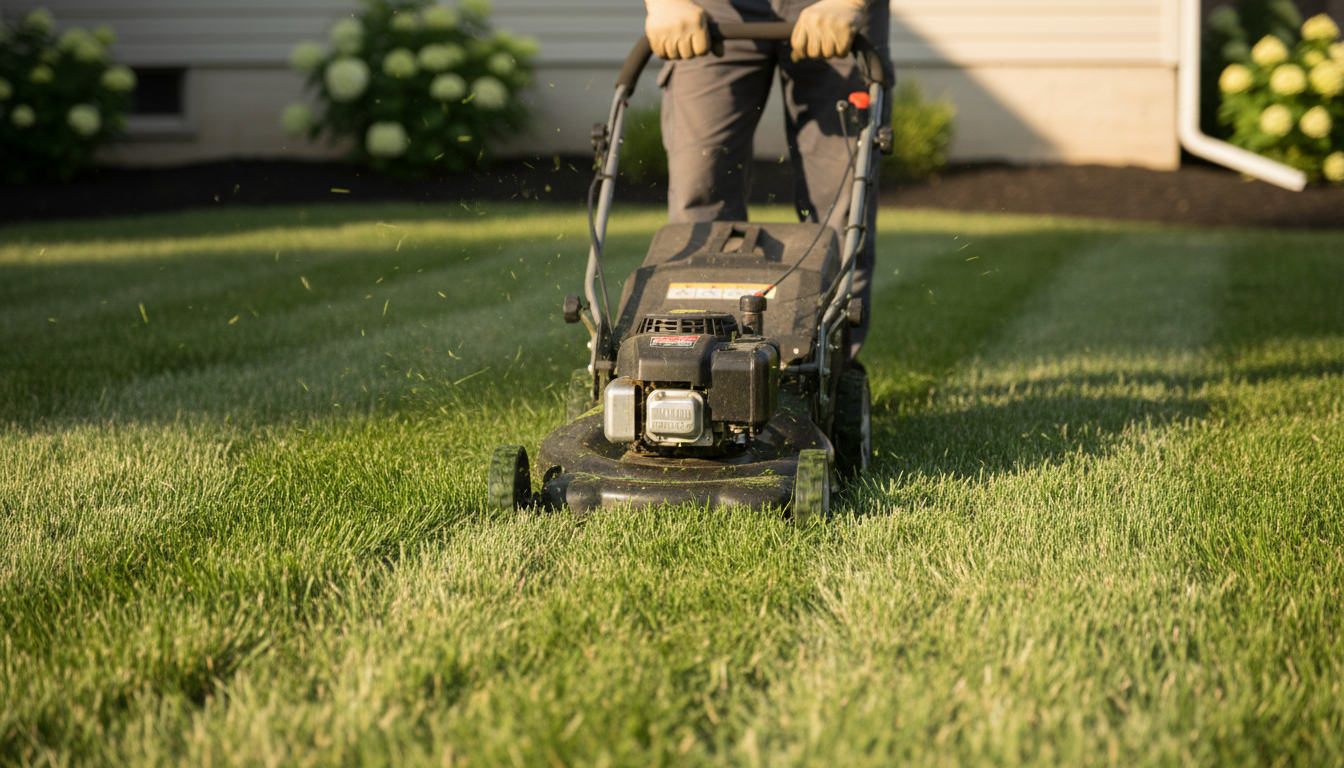
Many believe that cutting grass short reduces the frequency of mowing. However, this can harm your lawn. Grass that is cut too short can become stressed and susceptible to weeds and pests. Aim to remove only one-third of the blade length during any mowing session to maintain a healthy lawn.
Fertilization Facts
Fertilizing your lawn is crucial, but the timing and type of fertilizer matter. A common myth is that any fertilizer will do the job, but using the wrong type at the wrong time can cause more harm than good.
Myth 3: Spring is the Best Time to Fertilize
While it might seem logical to start fertilizing in the spring, fall is actually the best time to apply fertilizer. During the fall, grass builds strong roots that will support robust growth in the spring. Choose a slow-release, high-nitrogen fertilizer to provide your lawn with the necessary nutrients.
Weed Control Wisdom
Weeds are the bane of any lawn enthusiast’s existence. Understanding how to effectively manage them is crucial for maintaining a pristine lawn.
Myth 4: Natural Remedies are Ineffective
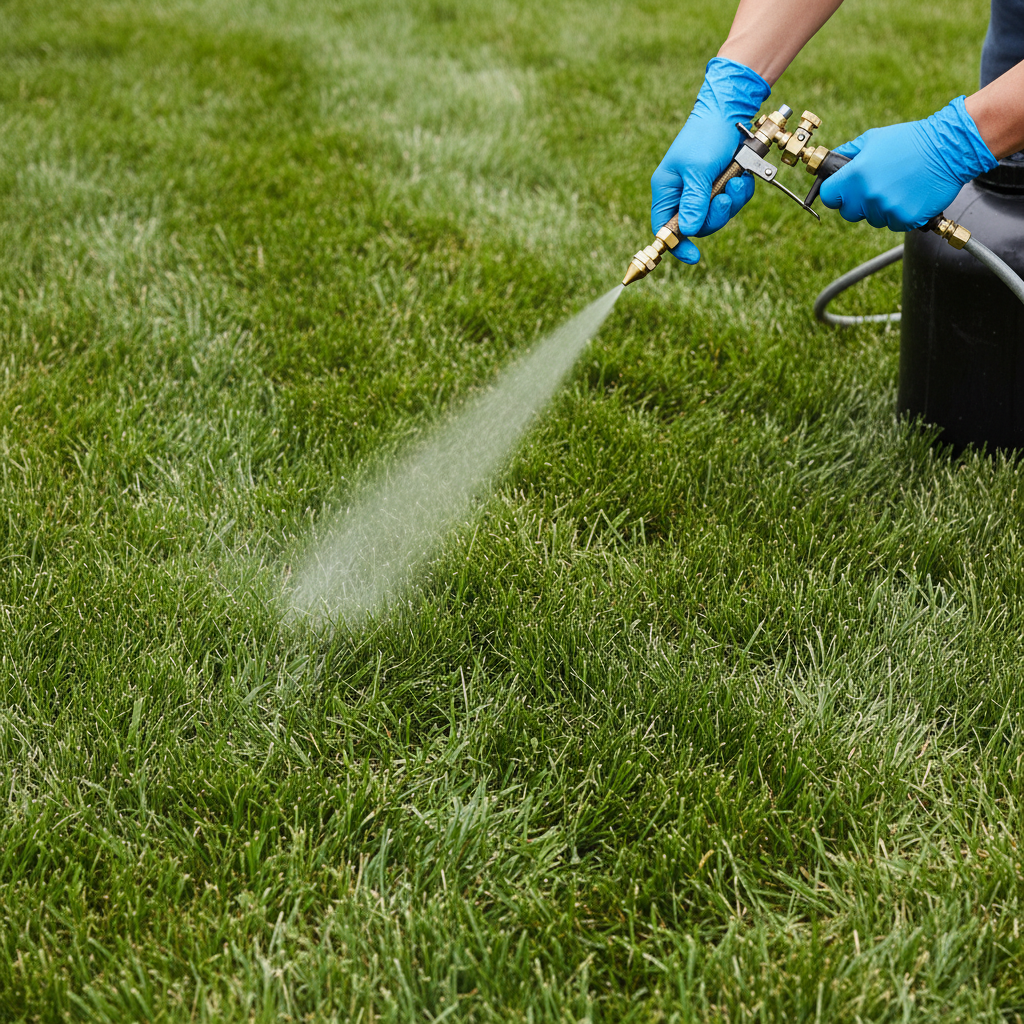
Some believe that only chemical herbicides can control weeds, but many natural remedies are effective. Vinegar, for instance, can be a potent weed killer. By applying it directly to the weeds, you can often achieve excellent results without resorting to harsh chemicals.
Additionally, maintaining a thick and healthy lawn can naturally suppress weed growth by reducing the space available for weeds to establish themselves.
Conclusion
By dispelling these myths, you can take a more informed approach to lawn care. Remember, a thriving lawn doesn’t require complex strategies—just a solid understanding of what truly works. With the right practices, your lawn can become the envy of the neighborhood.