
How Sustainable Lawn Care Practices Can Save You Money in SC
Understanding Sustainable Lawn Care
In South Carolina, where the climate can range from humid subtropical to temperate, adopting sustainable lawn care practices can be both environmentally friendly and cost-effective. By focusing on techniques that minimize waste and utilize natural resources efficiently, homeowners can maintain lush, healthy lawns without breaking the bank.
Benefits of Native Plants
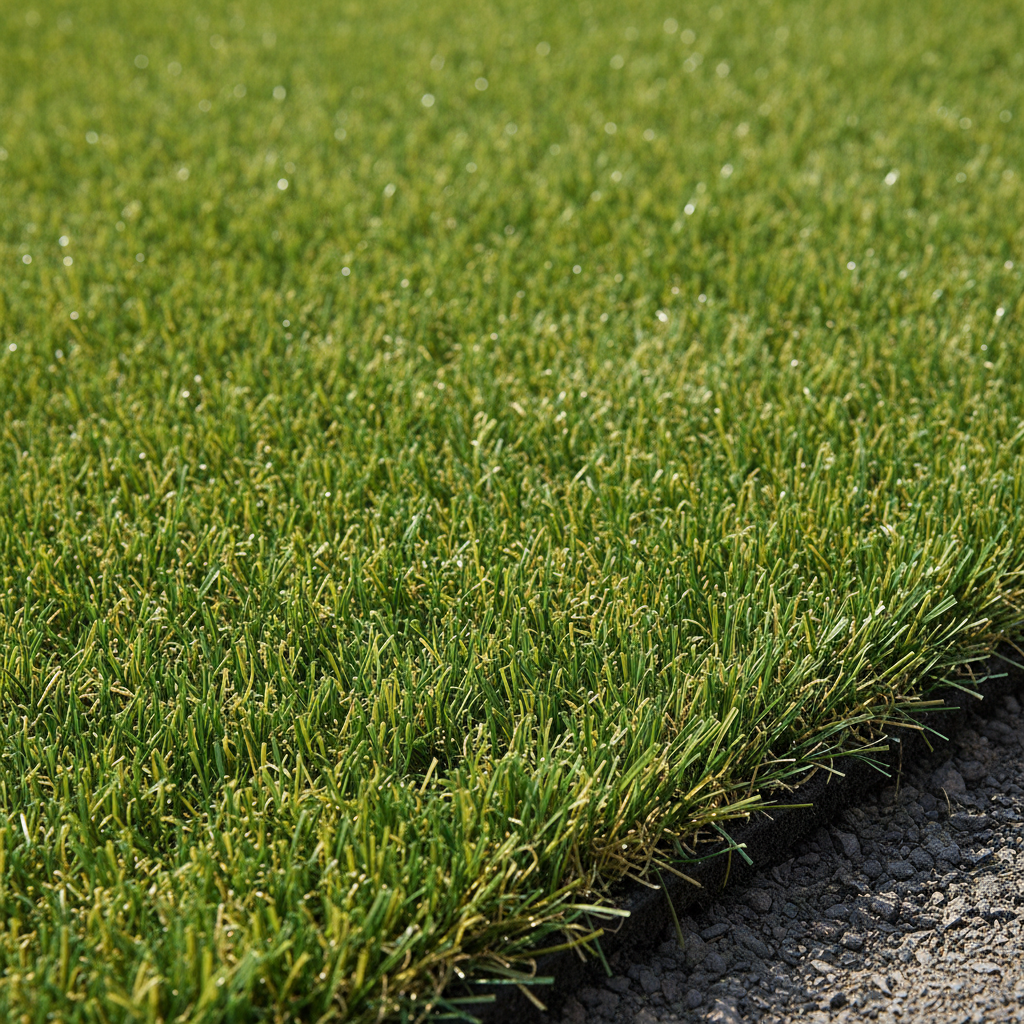
One of the most effective ways to create a sustainable lawn is by incorporating native plants. These plants are naturally adapted to the local climate and soil, requiring less water and fewer fertilizers than non-native species. This means lower water bills and reduced spending on chemical treatments.
Native plants also support local wildlife, including beneficial insects and pollinators, contributing to a healthier ecosystem overall. By choosing native species, you not only save money but also promote biodiversity in your area.
Water Conservation Techniques
Watering your lawn efficiently is crucial in a state like South Carolina, where water conservation is often a necessity. Implementing techniques such as rainwater harvesting and drip irrigation can significantly reduce your water usage.

Consider installing a rain barrel to collect runoff from your roof. This free resource can be used to hydrate your lawn during dry spells, cutting down on your water bill. Additionally, using mulch around plants can help retain soil moisture, reducing the need for frequent watering.
Composting and Natural Fertilizers
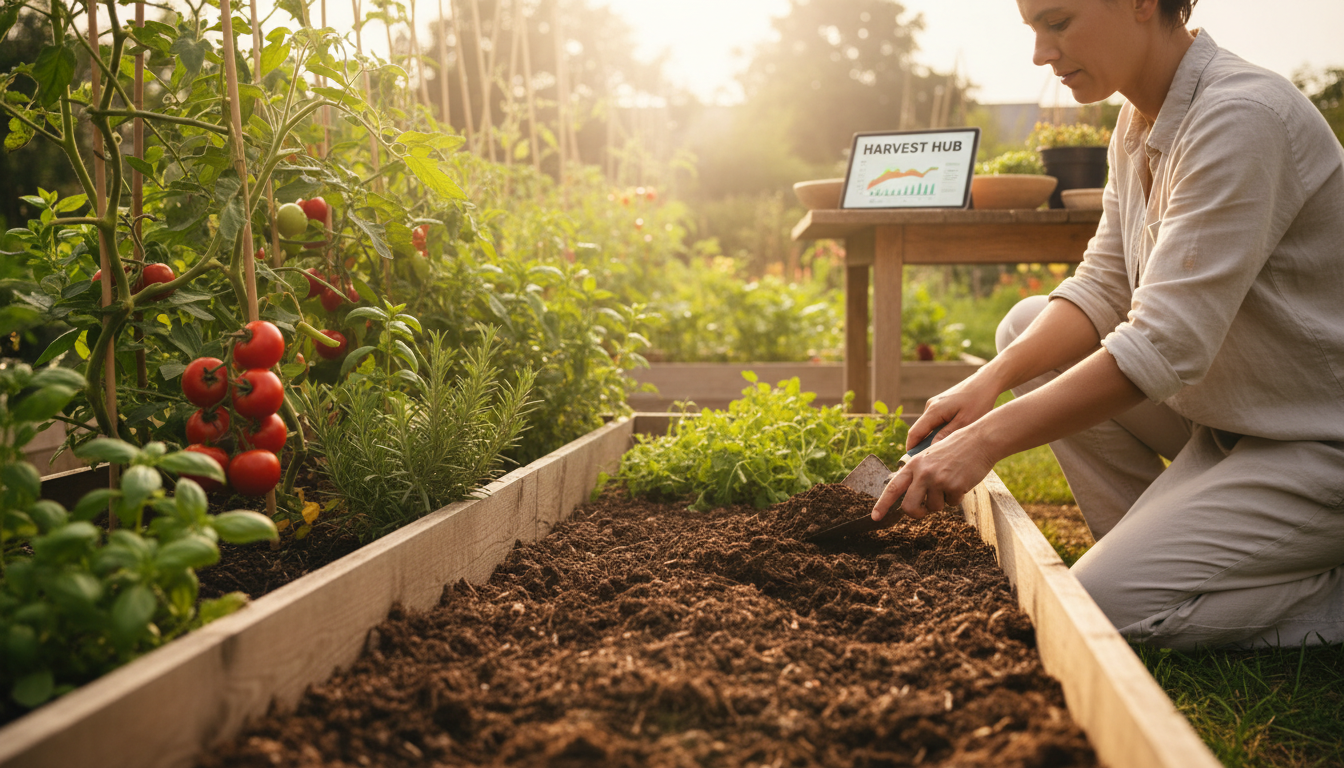
Instead of relying on chemical fertilizers, consider making your own compost. Composting kitchen scraps and yard waste creates a nutrient-rich soil amendment that promotes healthier plant growth. This not only saves money on store-bought fertilizers but also reduces landfill waste.
Natural fertilizers, such as bone meal or fish emulsion, can also be effective alternatives. These options support soil health without the potentially harmful effects of synthetic chemicals.
Efficient Lawn Maintenance
Regular maintenance is key to a sustainable lawn, but it doesn’t have to be expensive. Mowing your lawn at the right height can encourage deeper root growth and reduce water needs. Keeping mower blades sharp ensures a clean cut, reducing stress on grass plants.
Consider leaving grass clippings on the lawn after mowing. This practice, known as grasscycling, returns nutrients to the soil, reducing the need for additional fertilizers.
Smart Pest Management
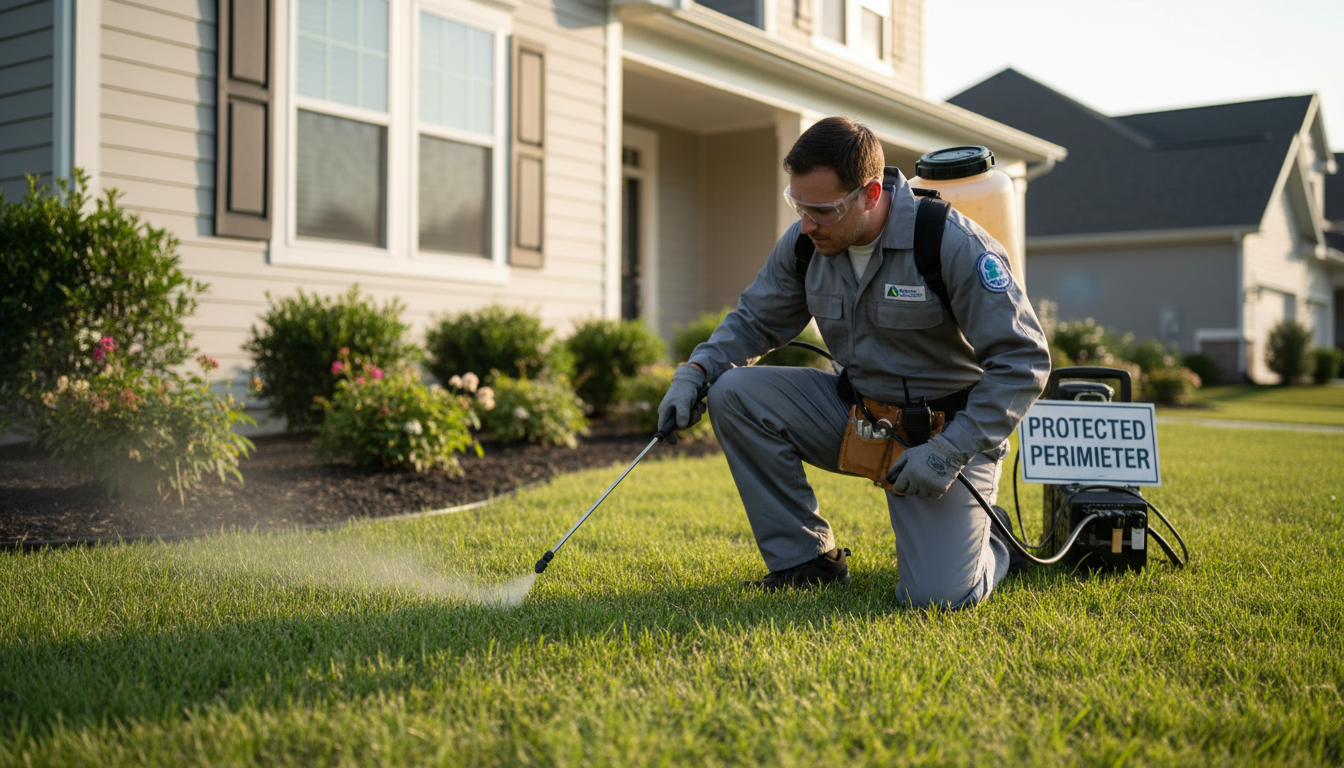
Instead of using broad-spectrum pesticides, focus on integrated pest management (IPM) practices. These involve monitoring pest levels and using targeted, biological controls when necessary. This approach can be more cost-effective and less damaging to the environment.
Encouraging natural predators, such as ladybugs, and maintaining healthy soil can also reduce pest issues without the need for chemical interventions.
Conclusion
Adopting sustainable lawn care practices in South Carolina not only contributes to a healthier environment but also leads to significant cost savings. By focusing on native plants, water conservation, natural fertilizers, efficient maintenance, and smart pest management, homeowners can enjoy beautiful lawns that are both eco-friendly and economical.
By making these changes, you can take pride in a lawn that is as kind to your wallet as it is to the planet.