
Expert Advice: Maintaining Your Greenville Lawn During Drought Conditions
Understanding Drought Conditions
In recent years, maintaining a healthy lawn in Greenville has become increasingly challenging due to prolonged drought conditions. With water resources becoming scarce, it's essential to adopt strategies that will keep your lawn thriving without over-relying on irrigation. In this post, we provide expert advice to help you navigate these tough conditions and maintain a beautiful lawn.
Choose the Right Grass
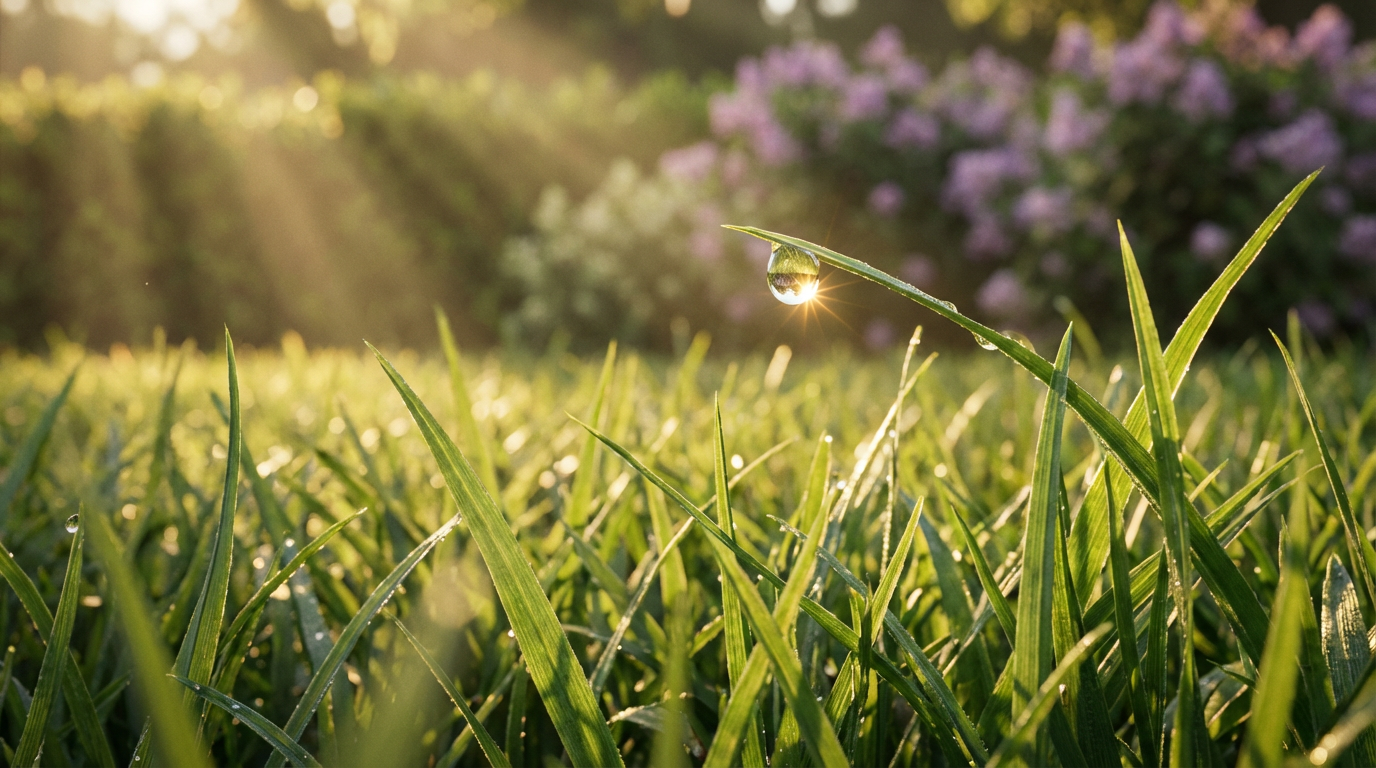
One of the first steps in drought-proofing your lawn is selecting the right type of grass. Opt for drought-resistant varieties such as Bermuda, Zoysia, or Buffalo grass. These types are more resilient and require less water to stay green and healthy. Investing in the right grass can significantly reduce your lawn's water needs.
Consider overseeding with drought-tolerant species if your current lawn struggles during dry spells. This process can enhance your lawn’s resilience and reduce maintenance efforts.
Efficient Watering Techniques
Watering efficiently is crucial during droughts. It's recommended to water deeply but infrequently. This encourages deep root growth, making your grass more drought-resistant. Water early in the morning or late in the evening to minimize evaporation. Aim for about 1 inch of water per week, including rainfall.
Implement Mulching
Mulching can be a game-changer for maintaining your lawn during droughts. Apply a layer of organic mulch around trees and garden beds to retain soil moisture, suppress weeds, and keep the ground cool. This simple step can significantly reduce water stress on your lawn and garden.
Adjust Mowing Practices
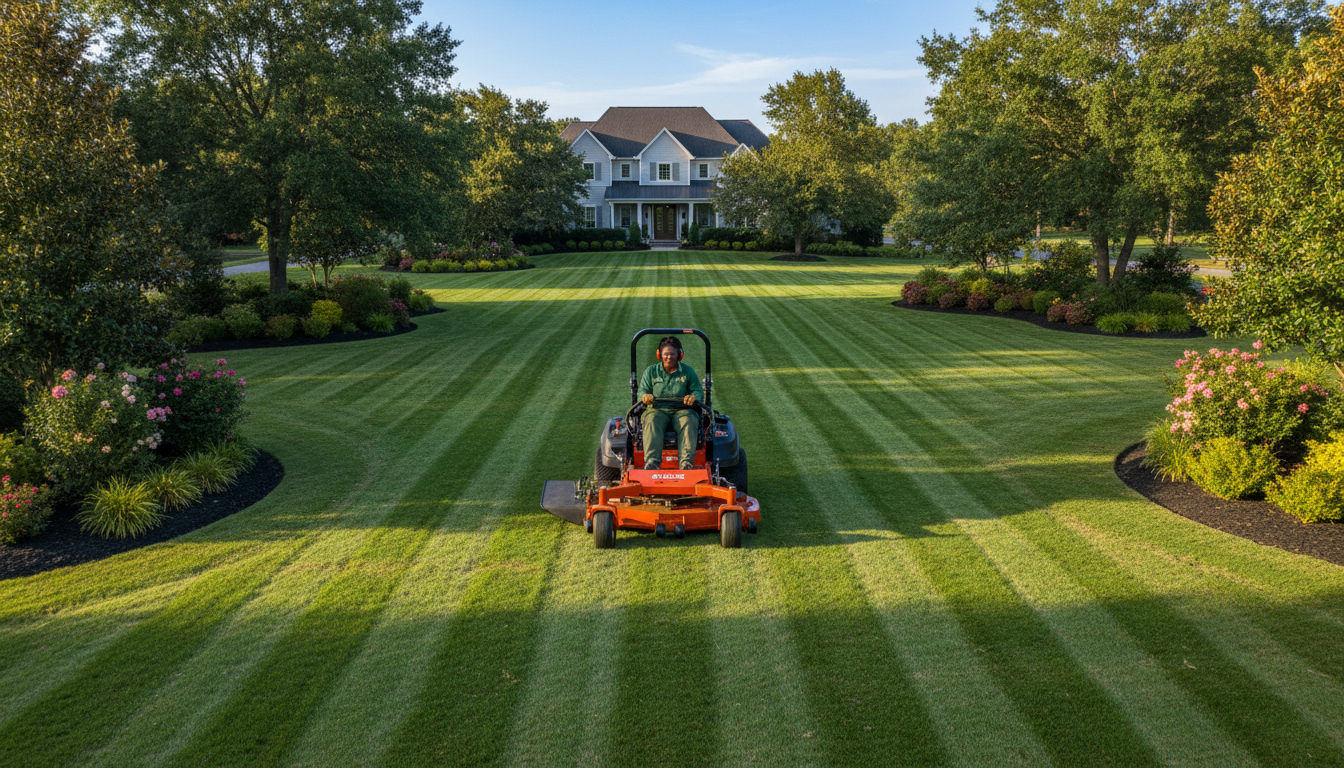
Proper mowing practices can help your lawn withstand drought conditions. Raise the cutting height of your mower to leave grass blades longer. Taller grass provides shade to the soil, reducing evaporation and promoting deeper root growth. Additionally, avoid cutting more than one-third of the grass height at a time to prevent stress.
Fertilization and Soil Health
Healthy soil is the foundation of a resilient lawn. During drought, avoid excessive fertilization as it can increase water demand. Instead, focus on improving soil health by incorporating compost and organic matter. This enhances the soil's water retention capabilities and provides essential nutrients to your grass.
Consider Alternative Landscaping
If maintaining a traditional lawn becomes too challenging, consider alternative landscaping options. Xeriscaping, which involves using drought-tolerant plants and creative design, can reduce water usage while still providing an attractive outdoor space. This approach not only conserves water but also adds diversity to your landscape.
By following these expert tips, you can keep your Greenville lawn healthy even during prolonged drought conditions. Remember, the key is to work with your environment rather than against it, ensuring both your lawn and the local ecosystem thrive.